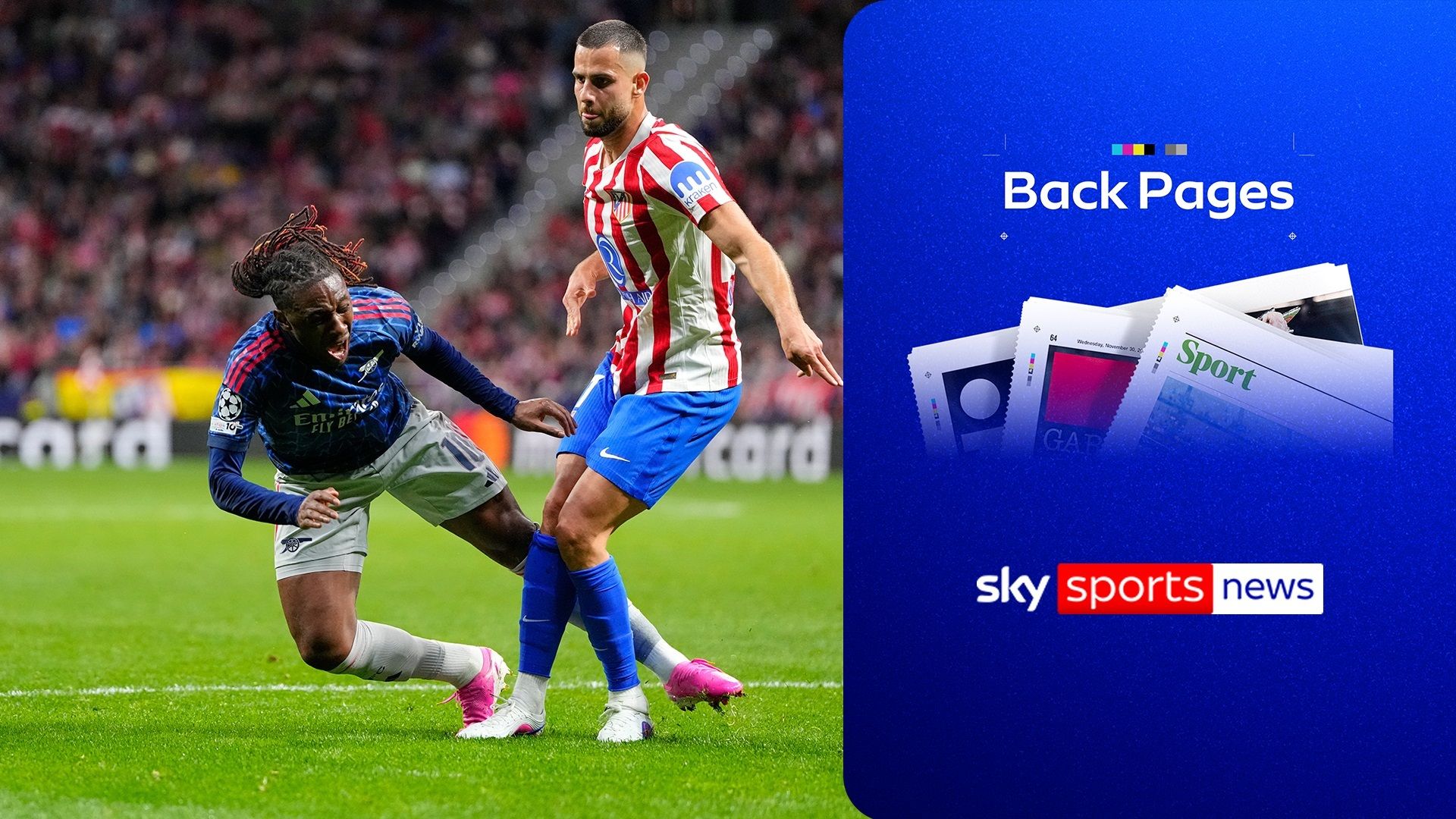
Arsenal found themselves at the center of major controversy during their UEFA Champions League clash against Atlético Madrid, as a second penalty decision was dramatically overturned following a VAR (Video Assistant Referee) review. The incident sparked widespread debate among fans, pundits, and analysts, with many questioning the consistency and transparency of VAR decisions in high-stakes matches.
Respected football journalist David Ornstein expressed clear confusion over the call, describing the situation as difficult to understand given the nature of the incident. According to initial on-field judgment, Arsenal appeared to have been awarded a legitimate second penalty after a challenge inside the box. However, after a lengthy VAR check, the referee reversed the decision, leaving players and supporters stunned.
The decision quickly became a talking point across the football world, with many labeling it a controversial VAR decision that could have significantly impacted the outcome of the match. Arsenal, who were pushing to gain an advantage in a crucial Champions League fixture, were denied a key opportunity to extend their lead or get back into the game.
One of the main concerns raised was the lack of clear communication regarding why the penalty was overturned. Fans and analysts alike struggled to identify what element of the play justified the reversal—whether it was minimal contact, simulation, or an earlier foul in the build-up. This uncertainty has once again highlighted ongoing issues with VAR consistency in football.
From a tactical and psychological perspective, such moments can have a huge impact on players. Arsenal’s momentum was disrupted, while Atlético Madrid were given a lifeline, allowing them to regroup and regain control of the match. In tightly contested Champions League fixtures, decisions like these can prove decisive.
This incident adds to the growing list of debates surrounding VAR in the Champions League, with calls increasing for clearer guidelines, better communication, and more consistent decision-making. As the competition progresses, moments like this continue to shape not only individual matches but also the broader narrative of fairness and technology in modern football.